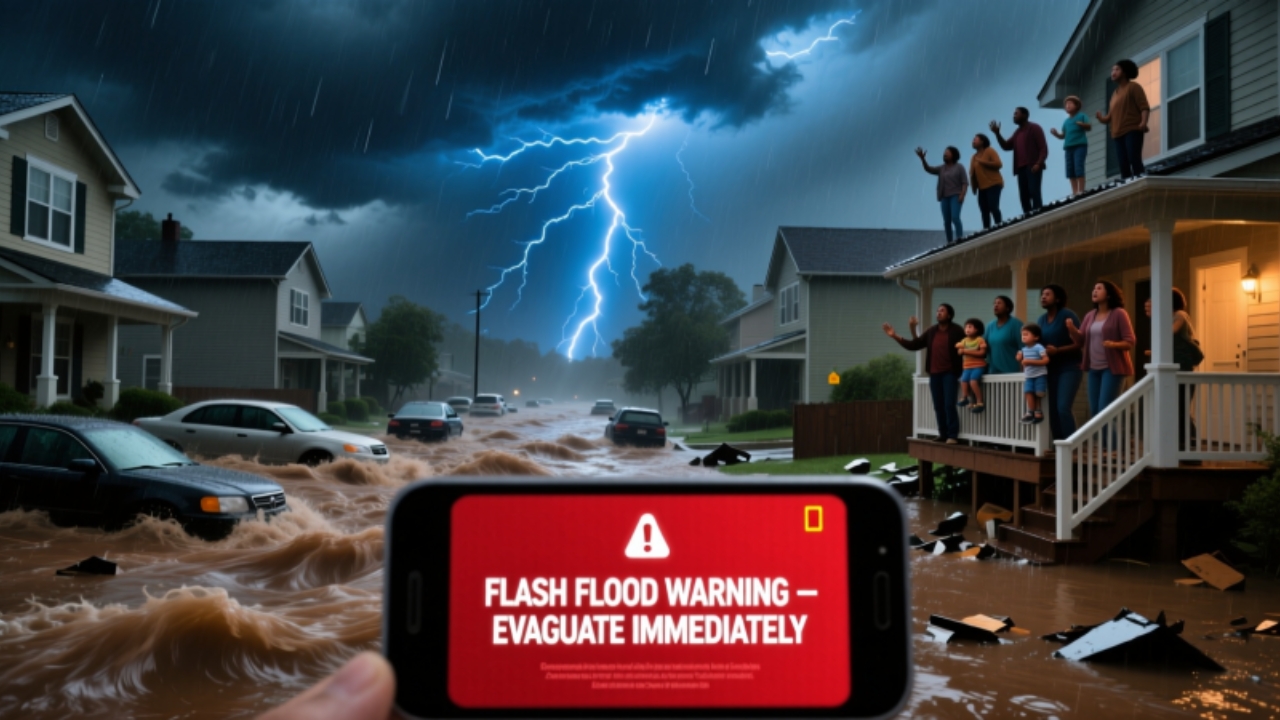
Flash floods are sudden and extreme surges of water that can occur with little warning, often resulting from heavy rainfall, dam breaks, or rapid snowmelt. Unlike regular floods, flash floods happen quickly, making them extremely dangerous for people, property, and infrastructure. Understanding what a flash flood warning means and knowing how to respond can save lives. This article will guide you through the key points of flash flood warnings, what signs to watch for, and the crucial safety steps you should take.
What Is a Flash Flood Warning?
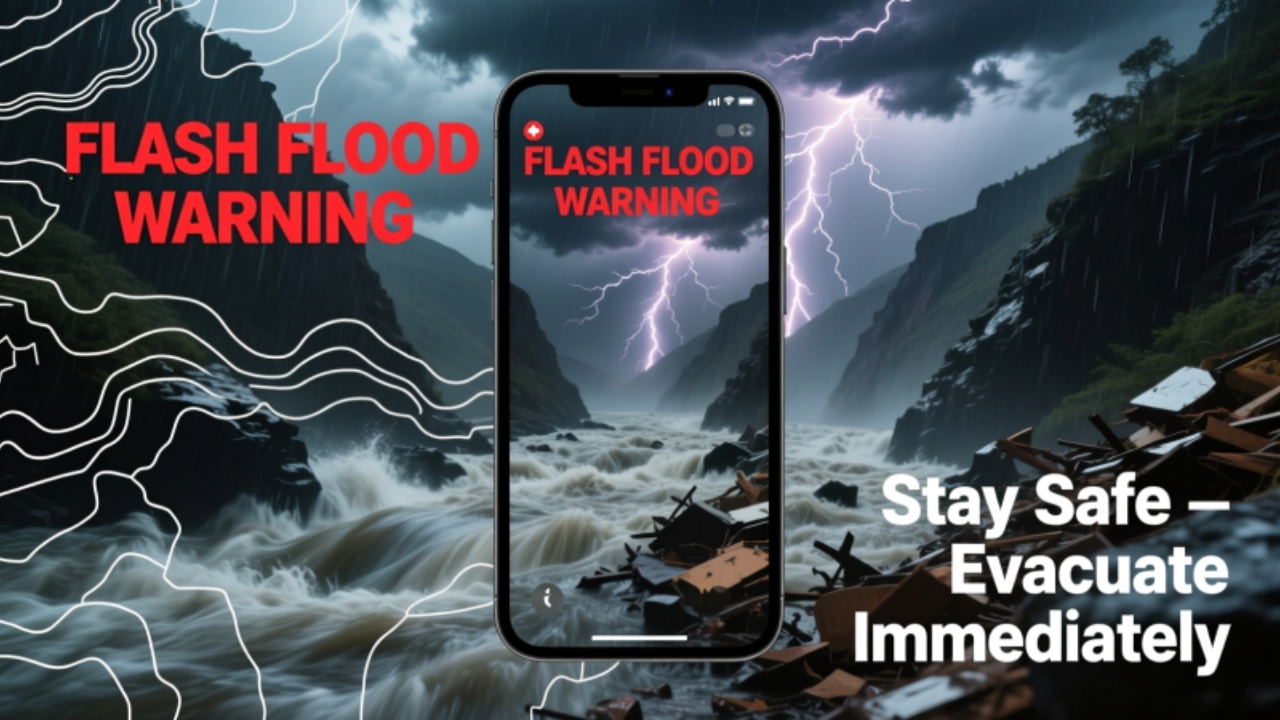
A flash flood warning is an alert issued by weather authorities to inform the public that flash flooding is imminent or already occurring in a specific area. It is more urgent than a flood watch because it signals immediate danger. These warnings are based on real-time data from rain gauges, river levels, and radar observations. When a flash flood warning is issued, residents should take immediate action to protect themselves, their families, and their property.
Key points:
- Immediacy: Flash flood warnings indicate flooding is happening or about to happen within minutes or hours.
- Geographic specificity: The warning usually covers specific towns, neighborhoods, or counties.
- Authority: Issued by meteorological agencies such as the National Weather Service (NWS) in the U.S.
Flash Flood Warning vs. Flash Flood Watch
Understanding the difference between a flash flood warning and a flash flood watch is crucial for staying safe during severe weather.
- Flash Flood Watch:
A flash flood watch is issued when conditions are favorable for flash flooding. It means that heavy rain, rapid snowmelt, or other factors could cause a flash flood, but it is not happening yet. During a watch, you should stay alert, monitor local weather updates, and prepare to take action if conditions worsen. - Flash Flood Warning:
A flash flood warning is more urgent. It indicates that flash flooding is either occurring or imminent. Immediate action is required, such as moving to higher ground or evacuating low-lying areas.
Key Difference:
- Watch = Be Prepared
- Warning = Take Action Now
By understanding this distinction, you can respond appropriately and reduce risks to yourself and your loved ones.
Why Flash Floods Are Dangerous
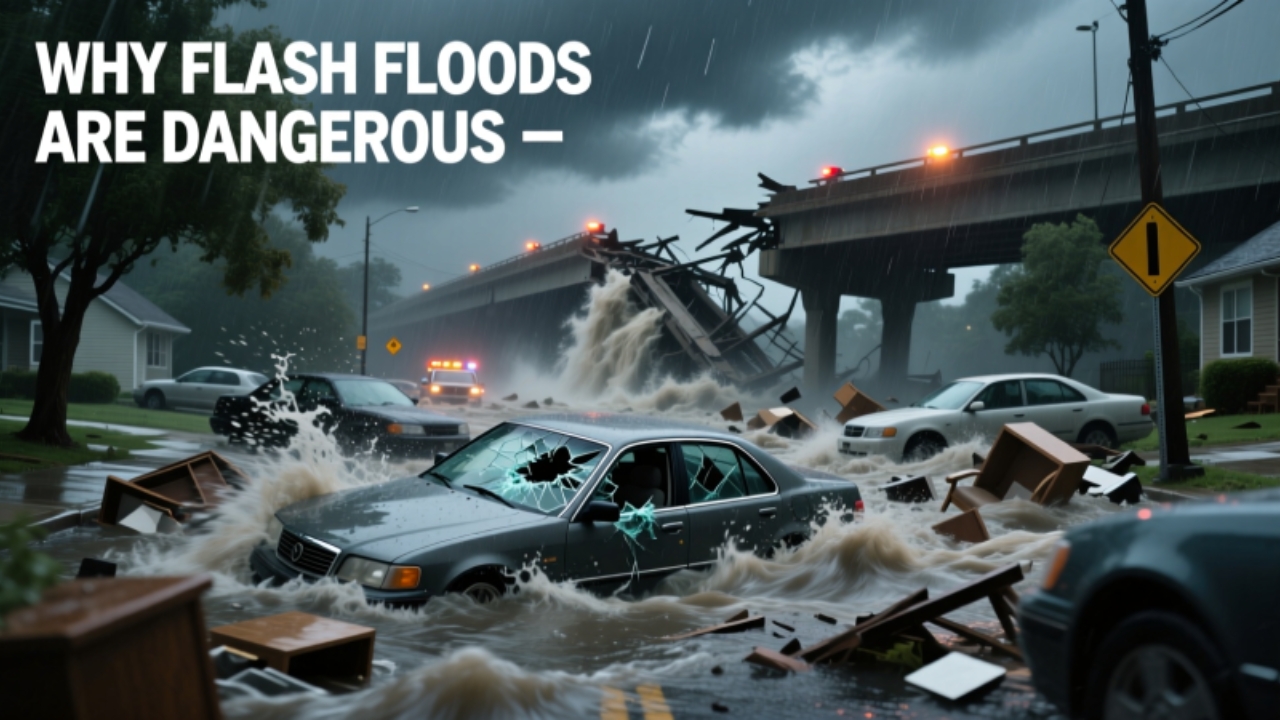
Flash floods are especially hazardous because they occur quickly and with little warning, giving people very little time to react. Their speed, force, and unpredictability make them one of the most dangerous natural disasters. Here’s why:
- Rapid Onset: Flash floods can develop in just minutes after heavy rain, leaving little time for evacuation.
- Strong Currents: Even a few inches of fast-moving water can sweep away vehicles, debris, and people.
- Widespread Damage: Flash floods can destroy homes, bridges, roads, and infrastructure, causing costly damage.
- Hidden Hazards: Floodwaters may hide dangers like downed power lines, sharp debris, or contaminated water.
- High Fatality Risk: Many flash flood deaths occur when people attempt to drive or walk through flooded areas.
Because of these dangers, taking warnings seriously and acting quickly can save lives.
What To Do During a Flash Flood Warning
When a flash flood warning is issued, immediate action is critical. Follow these steps to protect yourself, your family, and your property:
- Move to Higher Ground:
Avoid low-lying areas, valleys, and riverbanks. Even a few feet of elevation can make a big difference. - Do Not Drive Through Flooded Roads:
Never attempt to drive through water, even if it seems shallow. Six inches of moving water can knock over a person, and a foot of water can sweep away a car. - Stay Informed:
Keep a battery-powered radio, phone, or weather app handy to receive real-time updates from local authorities. - Avoid Floodwaters:
Floodwater can contain debris, chemicals, or sewage. Do not walk or swim through it unless absolutely necessary. - Follow Evacuation Orders:
If authorities issue an evacuation, leave immediately. Delaying can put you at serious risk. - Prepare Emergency Supplies:
Have an emergency kit ready, including water, non-perishable food, medications, flashlights, and important documents.
Remember: Safety is the priority. Property can be replaced; lives cannot. Quick and calm action during a flash flood warning can save your life.
One of the most dangerous mistakes during a flash flood is attempting to drive through flooded roads. Even shallow water can be deceptive and carry life-threatening risks:
- Rapid Current: Just six inches of moving water can knock a person off their feet, and a foot of water can sweep a vehicle away.
- Hidden Hazards: Floodwaters can hide washed-out roads, debris, potholes, or downed power lines.
- Vehicle Loss: Cars can be swept downstream within seconds, trapping occupants and making rescue extremely difficult.
Safety Tip: If you encounter a flooded road, turn around and find an alternate route. Never underestimate the power of moving water. Remember the saying: “Turn Around, Don’t Drown.”
Stay Informed
During a flash flood, staying updated with accurate, real-time information is crucial for making safe decisions. Here’s how you can stay informed:
- Weather Alerts: Sign up for alerts from local meteorological agencies or apps that send push notifications for flash flood warnings.
- Radio and TV: Keep a battery-powered or hand-crank radio handy to receive updates if electricity or internet goes out.
- Social Media & Official Websites: Follow trusted sources like the National Weather Service (NWS) or local government accounts for timely information.
- Community Alerts: Many towns and cities have text or phone alert systems to notify residents of imminent dangers.
Tip: Don’t rely on rumors or unofficial sources—only act on verified warnings. Staying informed can give you precious minutes to move to safety.
Next, we can cover “Emergency Kit Essentials for Flash Floods” to help readers prepare before a flood strikes.
Do you want me to write that next?
Move Indoors If You’re Outside

If a flash flood warning is issued while you are outside, your first priority should be to reach a safe indoor location. Exposure to heavy rain, fast-moving water, and debris can be extremely dangerous.
- Seek Sturdy Shelter: Head to a solid building or elevated structure. Avoid tents, cars, or temporary shelters that can be swept away.
- Avoid Low-Lying Areas: Stay away from valleys, riverbanks, and drainage ditches, where water can rise rapidly.
- Stay on Higher Floors: If you are already indoors in a multi-story building, move to upper floors rather than basements or ground floors, which are more prone to flooding.
- Do Not Attempt to Rescue Vehicles or Belongings: Personal items can be replaced; your safety cannot.
Taking swift action to move indoors can greatly reduce your risk of injury or being caught in the flood.
If You’re in a Vehicle
Being in a vehicle during a flash flood is extremely dangerous, as moving water can quickly sweep cars off the road. Follow these safety steps:
- Do Not Drive Through Water: Even a few inches of water can stall or carry your vehicle away. Turn around and find a safe route.
- Abandon the Vehicle if Necessary: If water is rising rapidly around your car, exit immediately and move to higher ground.
- Seek Elevated Ground: Climb to higher terrain or a nearby structure if leaving the vehicle is unsafe.
- Avoid Bridges Over Flooded Areas: Bridges can collapse under the force of floodwaters.
Remember: Cars can be replaced; lives cannot. Never take risks by driving through flooded roads.
Common Causes of Flash Floods
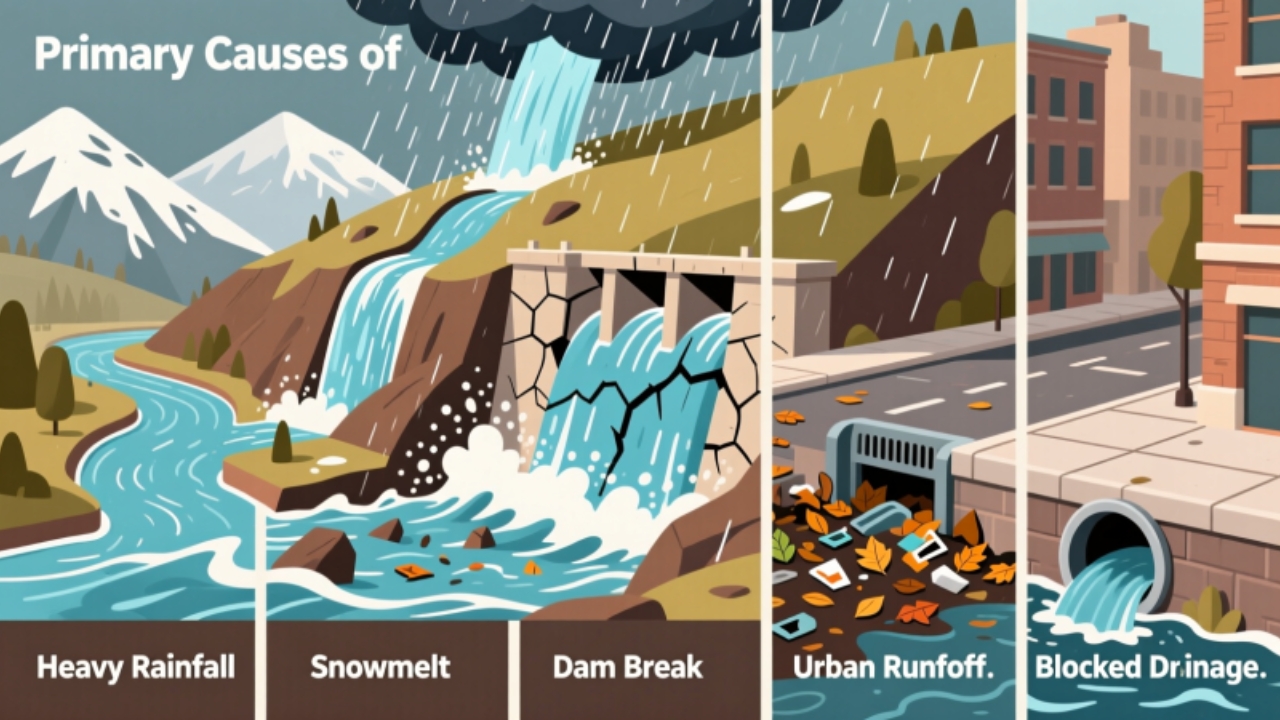
Flash floods can happen quickly and with little warning, often triggered by a combination of natural and human factors. Understanding the causes helps you anticipate risks and stay safe.
- Heavy Rainfall: Intense or prolonged rainfall is the most common cause, overwhelming rivers, streams, and drainage systems.
- Rapid Snowmelt: Sudden melting of snow due to warm temperatures can cause rivers and streams to overflow.
- Dam or Levee Failure: Structural failures can release large volumes of water in a short time, leading to sudden flooding downstream.
- Urbanization: Paved surfaces prevent water absorption, causing faster runoff into streets and drainage systems.
- Blocked Drainage Systems: Debris, trash, or sediment blocking drains can exacerbate flooding during storms.
By knowing these causes, communities and individuals can better prepare for potential flash flood events and reduce risks.
How Long Does a Flash Flood Warning Last?
The duration of a flash flood warning can vary depending on the intensity of the rainfall, the geography of the area, and how quickly water levels are rising. Typically:
- Short-Term Alerts: Most flash flood warnings last 1 to 3 hours because flash floods develop rapidly and are highly localized.
- Extended Warnings: In cases of prolonged heavy rain or widespread flooding, warnings may be extended or updated until the threat subsides.
- Continuous Monitoring: Meteorological agencies continuously monitor conditions and will issue new warnings or cancel existing ones as the situation changes.
Important Tip: Even if a warning is lifted, remain cautious, as residual floodwaters and damaged infrastructure may still pose hazards.
What To Do After a Flash Flood
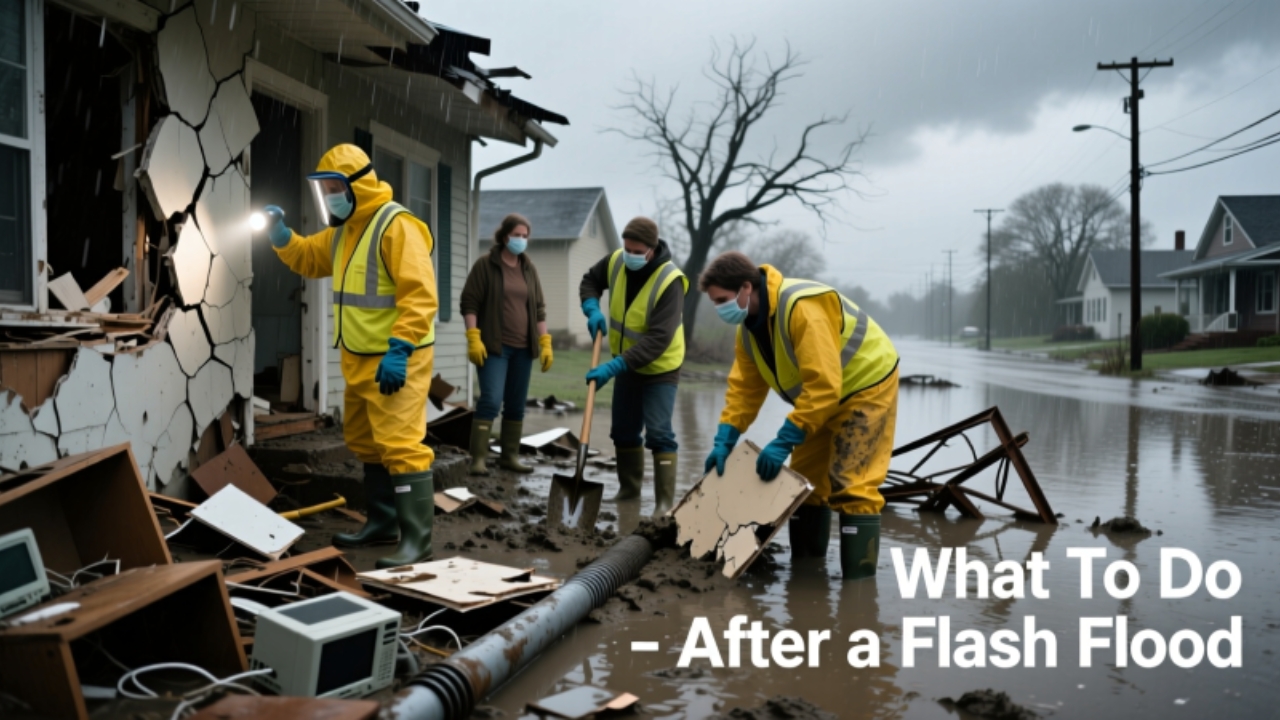
After a flash flood has passed, safety and caution are still crucial. Even when the waters recede, hazards such as debris, contaminated water, and unstable structures remain. Here are key steps to follow:
- Avoid Floodwaters: Do not walk, swim, or drive through standing water. It may be deeper than it looks and can hide debris or electrical hazards.
- Check for Hazards: Inspect your home for structural damage, gas leaks, or electrical issues. If you suspect danger, contact professionals before re-entering.
- Follow Local Instructions: Continue listening to updates from authorities regarding road closures, boil-water advisories, or evacuation orders.
- Document Damage: Take photos of any property damage for insurance claims and emergency assistance.
- Clean Safely: Wear protective gear when cleaning up, and disinfect areas exposed to floodwater to avoid infections.
- Help Others if Possible: Check on neighbors, especially the elderly or those with mobility challenges, and provide assistance if safe.
Remember: Recovery can take time, and safety should always come first. Being cautious after a flash flood can prevent further injuries or losses.
Frequently Asked Questions
What is the difference between a flash flood watch and a warning?
A watch means conditions are favorable for flash flooding. A warning means flooding is imminent or already occurring and immediate action is required.
How quickly can a flash flood occur?
Flash floods can develop in minutes to a few hours after heavy rain or a sudden water release. Their rapid onset makes them extremely dangerous.
Can flash floods happen in urban areas?
Yes. Urban areas with lots of paved surfaces can experience flash floods because water runs off quickly into streets and drainage systems.
Is it safe to drive through floodwaters?
No. Even shallow water can sweep away vehicles. Always find an alternate route or wait until the water recedes.
What should I include in a flash flood emergency kit?
Essentials include bottled water, non-perishable food, medications, flashlights, batteries, first-aid supplies, important documents, and a portable radio or phone charger.
How long do flash flood warnings last?
Typically 1–3 hours, but warnings may be extended if conditions persist or worsen.
What should I do after a flash flood?
Avoid floodwaters, check for structural or electrical hazards, follow local authority instructions, and document any damage for insurance purposes.
Conclusion
Flash floods are sudden, powerful, and potentially life-threatening events that demand immediate attention. Understanding the difference between a watch and a warning, knowing the common causes, and following safety measures before, during, and after a flood can make all the difference. By staying informed, avoiding flooded areas, having an emergency kit ready, and taking prompt action, you can protect yourself, your loved ones, and your property.
Remember: preparation and caution are key—when it comes to flash floods, quick decisions can save lives. Stay alert, stay safe, and always respect the power of moving water.

Nova is a passionate writer and spiritual guide with 4 years of experience in sharing blessings, prayers, and uplifting inspirations. At BlessingLite.com, she creates heartfelt content designed to nurture the soul, spread positivity, and bring light into everyday life. Through her words, Nova helps readers connect with faith, embrace gratitude, and celebrate life’s many blessings.