

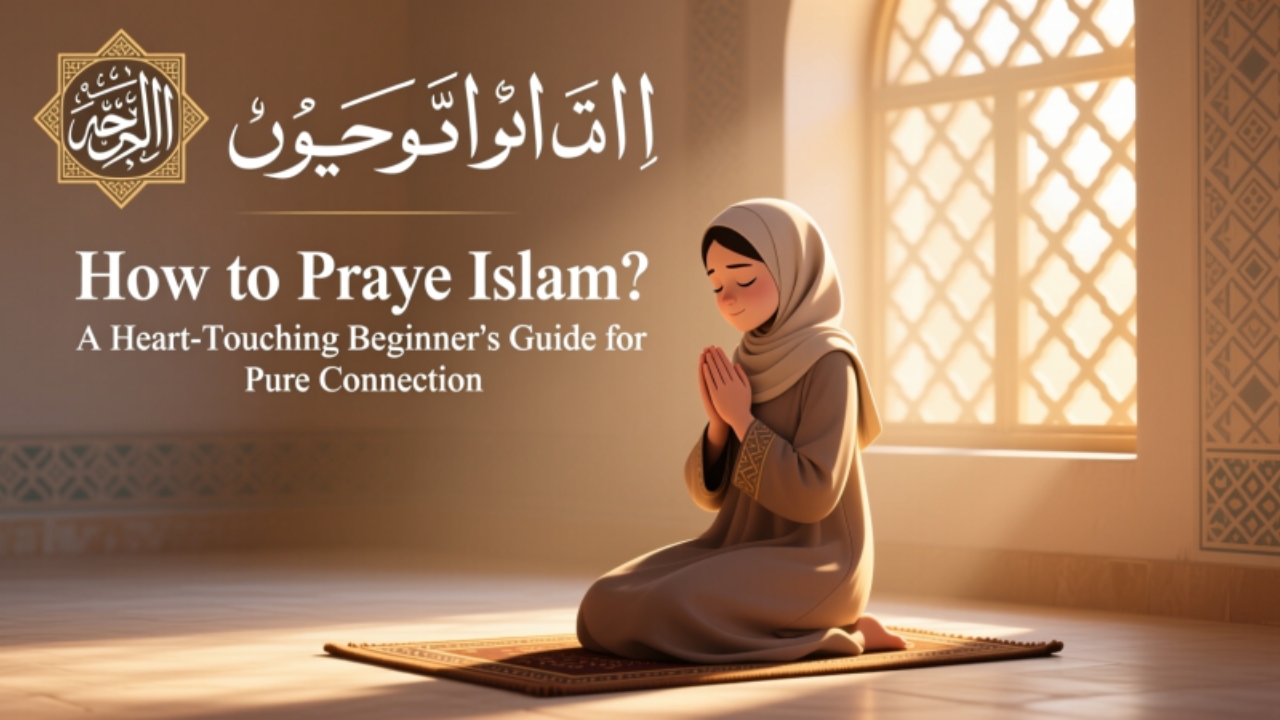
Learning how to pray Islam is not just about movements or memorizing words — it is a sweet, peaceful journey where your heart slowly learns to feel the presence of Allah. Prayer is like a soft whisper between you and the One who created you. It brings a calmness that gently touches the soul, especially on days when life feels heavy or confusing. When a person stands for Salah, it is as if Allah opens a small window of peace directly into their heart.
For many beginners, understanding how to pray Islam can feel a little overwhelming at first, but the truth is that prayer becomes easier the moment you allow your heart to relax. You don’t need to be perfect; you just need to be sincere. Even a small step toward Allah is noticed by Him, and every effort becomes a moment of love and connection.
This guide is written in simple, easy English so you can follow each step without stress. Think of it like holding someone’s hand who gently guides you toward light. Through this journey, you will learn how to prepare for Salah, how to build focus, and how to make each prayer feel meaningful — like a warm conversation with Allah that softens your heart and fills your life with peace.
Understanding the True Beauty of Salah in Islam

Salah, or prayer in Islam, is more than a ritual — it is a gentle bridge between your heart and Allah. When you learn how to pray Islam, you begin to understand that every movement, every word, and every moment of focus carries love, devotion, and peace. It is a sacred time where your worries seem lighter, your heart feels calmer, and your soul whispers silently to the Creator. Beginners often think prayer is complicated, but in truth, it is a simple, beautiful conversation with Allah.
Every step of Salah, from standing to bowing, prostrating, and sitting, symbolizes humility, surrender, and closeness to Allah. The emotions you feel while praying—soft tears, calm breath, and quiet gratitude—make each prayer a personal, heart-touching experience. This is why learning how to pray Islam correctly is not just about ritual; it’s about feeling Allah in every heartbeat.
Here is a simple table showing the basic steps of Salah for beginners:
| Step | Arabic Name | English Meaning | Emotional Reminder |
| 1 | Takbir | Saying “Allahu Akbar” | Start with love and awareness |
| 2 | Qiyam | Standing and reciting Quran | Feel the connection with Allah |
| 3 | Ruku | Bowing | Humility and surrender |
| 4 | Sujood | Prostration | Deep closeness, heart touching Allah |
| 5 | Tashahhud | Sitting and reciting prayers | Gratitude and reflection |
| 6 | Salam | Ending the prayer | Peace and completion of heart’s conversation |
By following these steps, even a beginner can slowly feel the spiritual magic of Salah. Each prayer becomes a soft, emotional moment where your soul communicates with Allah, and life feels lighter and more meaningful.
Why Every Heart Needs Prayer: The Emotional Meaning Behind Salah

Prayer in Islam is more than just a ritual; it is the heart’s soft conversation with Allah. When we learn how to pray Islam, we realize that every word and movement has a deep emotional meaning. Salah is a time to release stress, find inner calm, and feel the love of Allah flowing gently into our hearts. It is where our souls find comfort, guidance, and hope, especially during difficult times.
Every believer, beginner or experienced, can benefit from prayer. It nurtures the soul, strengthens faith, and builds a connection that feels personal and intimate. Here are some emotional reasons why every heart needs Salah:
- Peace of Mind: Prayer allows the heart to pause and feel calm amidst life’s chaos.
- Emotional Healing: Standing, bowing, and prostrating in front of Allah helps release worries.
- Connection with Allah: Each prayer is like a gentle hug from the Creator, reminding us we are never alone.
- Spiritual Discipline: Regular Salah teaches patience, focus, and love for Allah.
- Heartfelt Gratitude: Every word recited reminds us to be thankful for life’s blessings.
For beginners learning how to pray Islam, it’s important to understand that these emotional benefits are just as significant as the physical steps. Salah is a journey of the heart — a soft, romantic dialogue where Allah listens to our whispers, sees our sincerity, and fills our souls with love and light.
How to Prepare for Salah: Purity, Wudu, and Inner Calm

Preparation is the key to making your prayers meaningful. Before learning how to pray Islam, every believer must understand that physical and spiritual purity bring the heart closer to Allah. Salah starts with Wudu (ablution), which cleanses not just the body but also refreshes the mind and soul. A calm heart and a focused mind make every movement of prayer more heartfelt and touching.
Here’s a simple guide for beginners to prepare for Salah:
- Perform Wudu (Ablution): Cleanse hands, mouth, face, arms, head, and feet. It’s a ritual that brings peace and mindfulness.
- Choose a Clean Place: A quiet, clean space helps your heart focus on Allah.
- Wear Clean Clothes: Dressing neatly shows respect for the sacred time of prayer.
- Remove Distractions: Silence your phone and other noises to feel complete inner calm.
- Set a Positive Intention (Niyyah): Mentally remind yourself that this prayer is for Allah, and your heart seeks closeness to Him.
Preparing properly is like opening a small door in your heart for Allah’s presence to enter. When beginners understand how to pray Islam, these steps become a gentle routine that brings comfort, love, and peace. Each prayer then feels less like a task and more like a soft, heartwarming conversation with the Creator.
Step-by-Step Guide: How to Pray Islam as a Beginner

Learning how to pray Islam as a beginner can feel overwhelming, but breaking it down step by step makes it simple and heartfelt. Salah is like a journey of the soul, where every movement connects you closer to Allah. By following this easy guide, even a newcomer can experience peace and love in every prayer.
Here’s a step-by-step approach for beginners:
- Step 1: Make Niyyah (Intention) – Calm your heart and intend that this prayer is for Allah.
- Step 2: Takbir al-Ihram – Say “Allahu Akbar” and begin the prayer.
- Step 3: Qiyam (Standing) – Recite Surah Al-Fatihah and another short Surah, feeling each word with love.
- Step 4: Ruku (Bowing) – Bow with humility, saying “Subhana Rabbiyal Azeem,” feeling your heart soft and humble.
- Step 5: Sujood (Prostration) – Place your forehead on the ground; whisper your heart’s words to Allah.
- Step 6: Tashahhud (Sitting) – Sit and recite the supplications, reflecting on Allah’s mercy.
- Step 7: Salam (Ending) – Turn your head to the right and left, saying “Assalamu Alaikum,” finishing the prayer in peace.
This step-by-step guide shows that learning how to pray Islam is not just about memorization — it’s about feeling each movement and word with your heart. Even if you are a beginner, every prayer becomes a tender, loving connection with Allah, filling your soul with tranquility and joy.
Learning the Words of Salah With Love and Softness

The beauty of Salah lies not just in the movements, but in the words that flow from your heart. When you learn how to pray Islam, reciting each phrase slowly and meaningfully can transform your prayer into a soft, emotional conversation with Allah. Words in Salah are like whispers of love that bring your heart closer to the Creator.
Here are tips to learn the words of Salah with love and devotion:
- Take Your Time: Don’t rush; say each word slowly to feel its meaning.
- Understand the Meaning: Learn the English translation of the Arabic words; it deepens your connection.
- Repeat Daily: Regular practice helps the words flow naturally during prayer.
- Recite With Emotion: Let your heart feel the gratitude, love, and humility in each phrase.
- Start Simple: Begin with Surah Al-Fatihah and short Surahs; gradually expand as you grow confident.
By focusing on the words, every beginner can make how to pray Islam a heartfelt, emotional experience. Your prayer becomes more than just a ritual — it becomes a gentle dialogue of love and devotion that touches your soul and fills your heart with peace.
How to Build Deep Khushu (Focus) in Salah

Khushu, or deep focus in prayer, is the heart of Salah. When you learn how to pray Islam, your goal should not just be completing the steps, but feeling every moment with sincerity and love. Khushu makes prayer an emotional, soul-touching connection with Allah, where your heart speaks softly and your mind feels calm.
Here’s how beginners can build deep Khushu in Salah:
- Focus on Allah Alone: Mentally leave worldly thoughts aside before starting prayer.
- Visualize Allah Watching You: Imagine your heart speaking directly to Him; it deepens devotion.
- Recite Slowly: Every word of Quran should be recited with feeling and awareness.
- Maintain Proper Posture: Physical stillness helps the mind remain calm and focused.
- Reflect on Meanings: Understanding the words strengthens your emotional connection.
- Avoid Distractions: Choose a quiet, clean place for your prayers.
When you practice Khushu, every prayer becomes a soft, romantic moment of intimacy with Allah. Even as a beginner, how to pray Islam transforms from a routine into a tender dialogue of love, peace, and spiritual fulfillment.
Common Mistakes in Prayer and How to Correct Them

Even beginners learning how to pray Islam can make small mistakes, and that’s completely natural. What matters is awareness and gentle correction. Salah is a personal, heartfelt conversation with Allah, so it’s important to maintain sincerity while improving your practice. Correcting mistakes makes your prayers more meaningful and emotionally fulfilling.
Here are some common mistakes and tips to correct them:
- Rushing Through Prayer: Take your time and recite slowly to feel each word.
- Not Understanding the Words: Learn the meaning of Surahs and phrases to deepen your connection.
- Improper Posture: Ensure your standing, bowing, and prostration are correct to focus your heart.
- Missing Steps: Beginners often forget movements; use a guide or checklist until memorized.
- Distractions During Salah: Choose a quiet, clean space and mentally leave worldly thoughts aside.
- Lack of Intention (Niyyah): Always remind yourself that your prayer is for Allah with sincerity.
By addressing these common mistakes, beginners can learn how to pray Islam with love and confidence. Every small improvement makes your prayer more peaceful, emotional, and heart-touching, allowing your soul to truly connect with Allah.
How to Stay Consistent With Salah Even on Difficult Days

Consistency in prayer is the key to a strong connection with Allah. Learning how to pray Islam is not just about performing Salah on easy days—it is about remaining devoted even when life feels heavy, stressful, or tiring. Each prayer becomes a gentle reminder of Allah’s love, guidance, and comfort, giving your heart strength and peace.
Here are some tips to maintain consistency in Salah:
- Set a Daily Routine: Pray at the same times every day to build a habit.
- Prepare in Advance: Keep your prayer area clean and your clothes ready to avoid excuses.
- Start Small if Needed: Even a short, focused prayer is better than skipping it.
- Reflect on Benefits: Remember how prayer heals your heart and calms your soul.
- Use Gentle Reminders: Phone alarms or notes can help you stay on track without stress.
- Stay Positive: Don’t feel guilty if you miss; resume with love and sincerity.
By practicing these tips, beginners can make how to pray Islam a consistent, heartwarming part of life. Even on difficult days, Salah becomes a soft, emotional conversation with Allah, filling your heart with love, hope, and peace.
How Salah Brings Love, Healing, and Peace Into Your Life

Salah is not just a ritual; it is a source of emotional and spiritual healing. When you learn how to pray Islam, every prayer becomes a gentle embrace from Allah, filling your heart with love, hope, and calmness. It’s a moment where worries fade, stress dissolves, and your soul feels tenderly cared for.
Here are the ways Salah brings emotional benefits into your life:
- Healing the Heart: Expressing your worries and gratitude softens the soul.
- Filling You With Love: Every word recited is a whisper of closeness to Allah.
- Reducing Stress: The calm movements and mindful recitation bring mental peace.
- Boosting Emotional Strength: Regular prayer gives courage during difficult times.
- Inspiring Gratitude: Reflecting on blessings creates a warm, heartfelt feeling.
For beginners, understanding how to pray Islam this way transforms each Salah into a tender conversation. It becomes more than a duty; it is a soft, emotional journey that heals your heart, strengthens your faith, and fills your life with a serene, loving energy.
How to Strengthen Your Bond With Allah Through Daily Prayer

Daily prayer is a bridge that strengthens the heart’s connection with Allah. Learning how to pray Islam consistently allows your soul to feel love, peace, and guidance in every moment of life. Each prayer becomes an opportunity to reflect, seek forgiveness, and pour your heart out to Allah, creating a tender bond that grows stronger every day.
Here are some tips for beginners to strengthen their bond with Allah through Salah:
- Pray with Intention: Always focus on your heart’s connection, not just the movements.
- Reflect on the Words: Understand the meaning of each phrase for a deeper emotional impact.
- Be Consistent: Regularity in prayer makes your relationship with Allah steady and strong.
- Include Personal Duas: Speak softly to Allah about your heart’s wishes and gratitude.
- Maintain Khushu (Focus): Avoid distractions to feel every moment fully.
Here’s a simple table showing daily prayer tips for beginners:
| Tip | Action | Emotional Benefit |
| Intention (Niyyah) | Focus heart on Allah before starting | Creates sincere connection |
| Understanding Words | Learn meanings of Surahs | Deepens love and devotion |
| Consistency | Pray at fixed times | Builds trust and spiritual rhythm |
| Personal Duas | Speak your heart to Allah | Strengthens emotional bond |
| Focus (Khushu) | Minimize distractions | Makes prayer tender and heart-touching |
By following these steps, beginners can make how to pray Islam not just a ritual but a soft, emotional journey that strengthens their soul and fills life with love and peace.
Frequently Asked Questions
What is Salah and why is it important in Islam?
Salah is the daily prayer in Islam, a sacred act that connects your heart with Allah. Learning how to pray Islam helps beginners feel peace, love, and guidance.
How many times a day should I pray Islam?
Muslims are required to pray five times a day. Consistency helps strengthen the emotional bond with Allah and builds spiritual discipline.
Do I need to know Arabic to pray Islam correctly?
Basic Arabic is needed for recitations, but understanding meanings in your language enhances your emotional connection and sincerity in prayer.
What is Wudu and why is it necessary before prayer?
Wudu is the ritual purification before Salah. It cleanses your body and mind, preparing your heart to learn how to pray Islam with full focus.
Can beginners make mistakes in prayer?
Yes, mistakes are normal. The key is awareness and correcting them gently while maintaining love and devotion in every prayer.
How can I build focus (Khushu) during prayer?
Focus by minimizing distractions, understanding the meaning of words, and visualizing your heart speaking softly to Allah during Salah.
What should I do if I miss a prayer?
You can make it up later with sincerity. Missing a prayer doesn’t break your connection if you continue to pray with love and devotion.
How can I make my prayers more meaningful?
Recite slowly, understand the words, add personal duas, and focus your heart to make each prayer emotional and tender.
Is it okay to pray Islam anywhere?
Yes, Salah can be performed anywhere clean and quiet. A peaceful environment helps beginners feel emotional connection during prayer.
What are the benefits of praying daily?
Daily prayer brings love, inner peace, healing, and strengthens your bond with Allah. Beginners find tranquility, focus, and spiritual growth.
Can children learn how to pray Islam easily?
Yes, with step-by-step guidance, simple words, and regular practice, children can develop love and understanding for prayer early.
Conclusion
Learning how to pray Islam is a journey of the heart, not just the body. Every movement, every word, and every moment of focus is a soft conversation with Allah that fills your soul with peace, love, and guidance. Beginners may feel nervous or unsure at first, but with patience, sincerity, and daily practice, each prayer transforms into a heart-touching experience.
By understanding how to pray Islam, performing Salah with intention, and connecting deeply with Allah, your life can become calmer, more meaningful, and spiritually fulfilling. Even small efforts count, and every prayer is noticed by the Creator.
Take the first step today—begin your prayer with love, devotion, and an open heart, and watch how Allah’s presence gently fills your life with serenity, emotional warmth, and a tender connection that lasts forever.

Nova is a devoted faith-based writer and spiritual content creator with over 4 years of experience in crafting prayers, blessings, and uplifting inspirations. At BlessingLite.com, she combines her deep love for spirituality with a gift for heartfelt writing to help readers connect with their faith on a deeper level. Her work is rooted in the belief that simple, sincere words carry the power to heal, uplift, and transform lives. Whether you’re seeking morning blessings, prayers for difficult times, or words to share with someone you love, Nova’s writing is designed to touch your heart and strengthen your spirit.